Most women trying to launch small businesses hit the same wall: high startup costs, saturated markets, and zero scalable income. You’ve probably scoured Pinterest for “low-investment ideas” only to find dropshipping clones or overpriced printables. Here’s the irony—your smartphone already holds a $500/month revenue stream. And it’s sitting unused while you scroll through workout videos. The answer? A fitness app affiliate program.
Why Traditional “Small Business Ideas for Women” Fail
Let’s be blunt. Selling candles, jewelry, or digital planners sounds cute—until you’re stuck managing inventory, chasing clients, or praying Instagram’s algorithm favors you this week. These models demand constant output for inconsistent returns. Worse, they rarely compound. One client = one payment. No leverage. No automation.
Meanwhile, digital affiliate programs—especially in the $96 billion global fitness tech space—offer recurring commissions, near-zero overhead, and built-in audiences hungry for trusted recommendations. But most guides skip the real hurdle: how a non-tech-savvy woman actually gets started without looking like a spammy link-dropper.
Step-by-Step: Launch Your Fitness App Affiliate Business (Without Quitting Your Day Job)
Pick the Right Program—Not Just the Highest Payout
Don’t chase 50% commissions on apps nobody uses. Target platforms with strong retention: Think MyFitnessPal, Fitbit Premium, or Strava Summit. These brands invest heavily in user experience—which means your referrals stick around longer—and keep earning you money.
Build Trust Before You Pitch
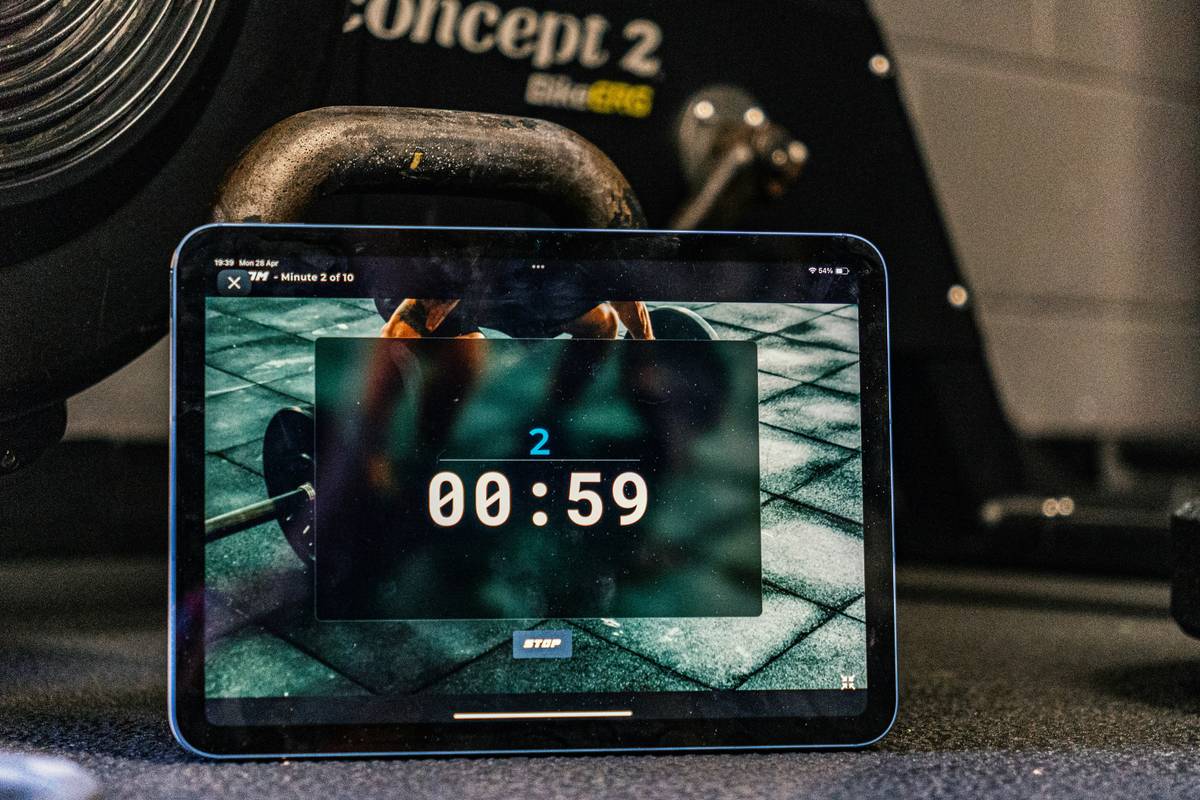
Post authentic screenshots of your own progress. Share what surprised you—the calorie tracking glitch, the unexpected community support, the 7 a.m. reminder that actually worked. Vulnerability converts better than polished promo reels.
Leverage Micro-Moments, Not Mega Campaigns
You don’t need 10K followers. Post one 15-second story showing how you use your favorite app during lunch break. Tag it #realroutine. That’s enough to trigger curiosity—and clicks—from peers who trust your judgment more than an influencer’s ad.
| Affiliate Strategy | Startup Cost | Time to First $100 | Scalability |
|---|---|---|---|
| Etsy Digital Planners | $20–$50 (Canva Pro + listing fees) | 2–4 months | Low (manual delivery, no recurrence) |
| Fitness App Affiliate | $0 (free to join most programs) | 3–6 weeks | High (recurring commissions, automated tracking) |
| Local Pop-Up Shop | $500+ (booth fees, inventory) | 1–3 months | Very Low (geographically limited) |
The Industry Secret: Recurring Commissions Are Your Silent Partner
Here’s what nobody tells you: top fitness app affiliates earn 70% of their income from month-two-and-beyond renewals—not initial sign-ups. One referral to a $12.99/month app paying 30% commission nets you $3.90 upfront… and another $3.90 every single month that user stays active. Let that compound across 50 people. Suddenly, you’re pulling $195/month in passive income before breakfast.
But—and this is critical—you must choose apps with low churn. Avoid gimmicky 7-day challenge apps. Target those with habit-tracking depth, personalized coaching, or social accountability features. That’s where users stick around. And that’s where your long-term wealth builds.
FAQ
Do I need a website to start as a fitness app affiliate?
No. You can begin via Instagram Stories, Pinterest Idea Pins, or even private Facebook groups—as long as you comply with each platform’s disclosure rules.
How much can beginners realistically earn?
Most women earn $50–$200/month within 90 days by sharing authentically to a small, engaged audience of 500+ followers.
Are fitness app affiliate programs free to join?
Yes. Reputable programs like MyFitnessPal, Fitbit, and Garmin offer free affiliate enrollment through networks like Impact or ShareASale.