
Ever poured your heart—and savings—into a business idea only to watch it stall because funding dried up? You’re not alone. For women launching small ventures, securing capital can feel like navigating a maze with invisible walls. That’s where women in business grants come in: non-repayable funds designed to level the playing field. But here’s the painful truth—most applicants miss out not because they lack merit, but because they skip critical steps or fall for outdated advice. In this guide, you’ll discover exactly how to find, qualify for, and win these grants without wasting months on dead ends.
Table of Contents
- Why Women in Business Grants Matter in Personal Finance
- Step-by-Step Guide to Securing Your First Grant
- 5 Best Practices for Grant Success
- Real Women, Real Results: Case Studies
- Frequently Asked Questions
Key Takeaways
- Women in business grants are non-repayable—unlike loans—but highly competitive.
- Federal programs like those from the U.S. Small Business Administration (SBA) offer legitimate opportunities.
- Applying without a solid business plan is the #1 reason applications fail.
- Scams targeting female entrepreneurs are rampant—always verify grant sources.
- Local and nonprofit grants often have less competition than national ones.
Why Women in Business Grants Matter in Personal Finance
Let’s be real: starting a business on a shoestring budget is stressful. When you’re juggling savings, emergency funds, and daily expenses, dipping into personal accounts to cover startup costs can derail your entire financial plan. According to the U.S. Census Bureau, women-owned businesses grew by 18% between 2019 and 2023—but access to capital remains a top barrier. That’s why women in business grants aren’t just “nice-to-haves”; they’re strategic tools that protect your personal finances while fueling growth.
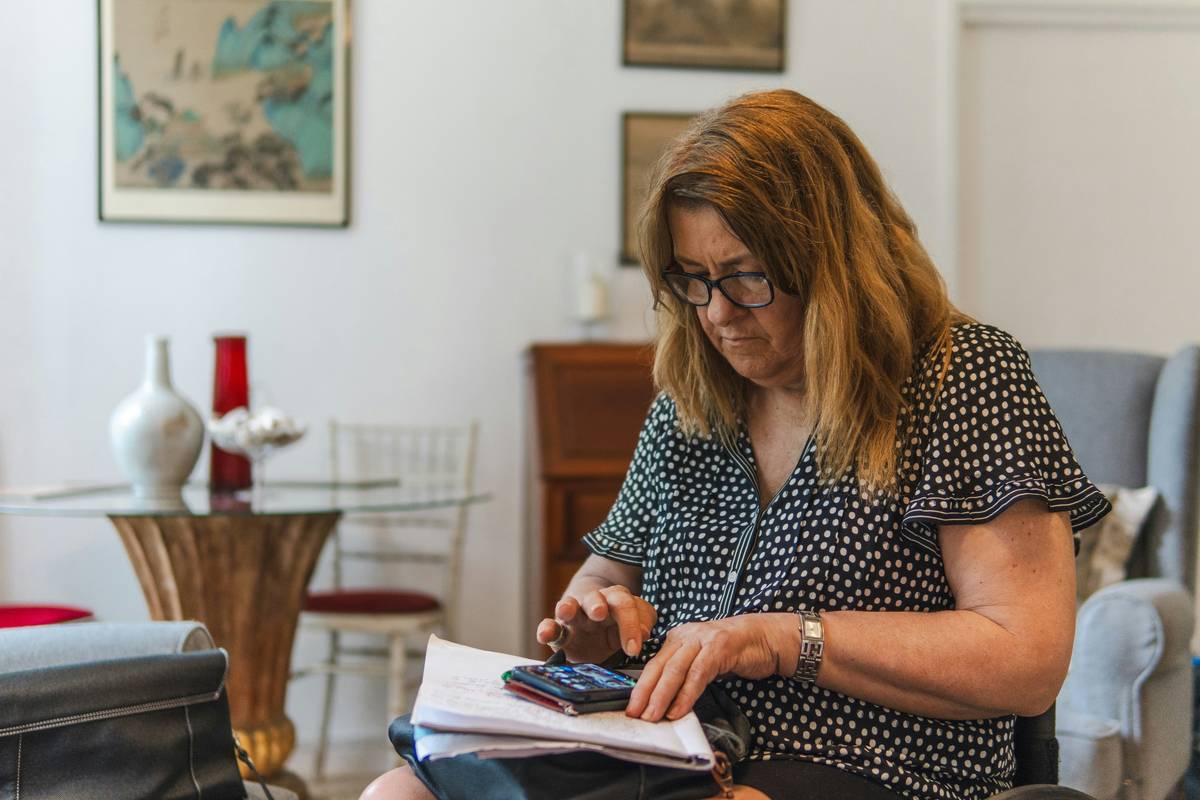
I learned this the hard way. My first venture—a curated subscription box for eco-friendly home goods—started with $3,000 from my emergency fund. When sales plateaued after six months, I scrambled for solutions and applied to three “grants” I found through Instagram ads. Two were scams charging “processing fees,” and the third required equity I couldn’t afford to give up. Had I known about legitimate government-backed options earlier, I could’ve preserved my savings and avoided that panic spiral.
Step-by-Step Guide to Securing Your First Grant
1. Verify Your Business Structure
Most official grants require your business to be legally registered (LLC, corporation, etc.). Sole proprietorships may qualify for some local programs, but federal opportunities like those listed on Grants.gov typically demand formal registration.
2. Research Targeted Opportunities
Don’t spam every grant portal. Focus on programs aligned with your niche. For example, the Amber Grant Foundation awards $10,000 monthly to women-owned startups. The SBA’s Women’s Business Centers (WBCs) also list regional funding options—find yours via the official SBA grants page.
3. Craft a Compelling Narrative
Grant committees want impact, not just ideas. Explain how your business solves a problem, who it helps, and what success looks like. Include metrics if possible—even early traction data builds credibility.
4. Assemble Supporting Documents
Prepare your business license, tax ID, bank statements, and a one-page executive summary. Some applications request letters of recommendation; ask past clients or mentors in advance.
5 Best Practices for Grant Success
- Avoid “free money” scams. Legitimate women in business grants never ask for upfront fees. If a site demands payment to “access listings,” run.
- Apply early and often. Many grants award funds on a rolling basis—waiting until the deadline cuts your chances dramatically.
- Leverage local resources. Chambers of commerce and economic development agencies often host lesser-known grant programs with higher approval odds.
- Track every application. Use a spreadsheet to log deadlines, requirements, and follow-up dates. Missed details sink more apps than weak ideas.
- Never submit generic materials. Tailor each proposal to the funder’s mission. A rural sustainability grant won’t care about your urban fashion tech angle.
And here’s a terrible tip I’ve heard too often: “Just say you’re a minority-owned business to boost eligibility.” Not only is that unethical, but many programs require certification—lying risks disqualification or worse.
Real Women, Real Results: Case Studies
Maria R., founder of a bilingual childcare co-op in Austin, secured $15,000 through the Texas Women’s Entrepreneurship Grant Program. Her secret? She partnered with a local nonprofit to co-sponsor her application, demonstrating community support—a key scoring factor. Within nine months, she broke even and now employs four part-time staff.
Nationally, data from the National Women’s Business Council shows that grant recipients are 37% more likely to sustain operations beyond year two compared to self-funded peers. That’s not magic—it’s smart capital deployment.
Frequently Asked Questions
Are there women in business grants for startups with no revenue?
Yes! Programs like the Eileen Fisher Women-Owned Business Grant prioritize early-stage ventures. Focus on your plan’s viability, not past sales.
Do I need a perfect credit score to qualify?
No. Since grants aren’t loans, credit history rarely matters—though some hybrid programs may check it.
Can I apply for multiple women in business grants at once?
Absolutely. Just ensure your applications don’t contradict each other in scope or timeline.
Where can I get help writing my grant proposal?
Your nearest SBA Women’s Business Center offers free coaching. Also, review our About Us page to learn how our team supports female founders.
What if my application gets rejected?
Request feedback if possible, refine your materials, and reapply next cycle. Most winners weren’t successful on their first try.
How do I protect my data when applying online?
Only submit info through secure (.gov or verified nonprofit) sites. Review our Privacy Policy for best practices on handling personal information.
Grants won’t replace hustle—but they can turn fragile dreams into funded realities. Stop gambling with your savings. Start targeting the right opportunities today. Ready to craft a winning application? Contact us for a free grant-readiness checklist.
One last thought: She believed she could, so she applied—then built.